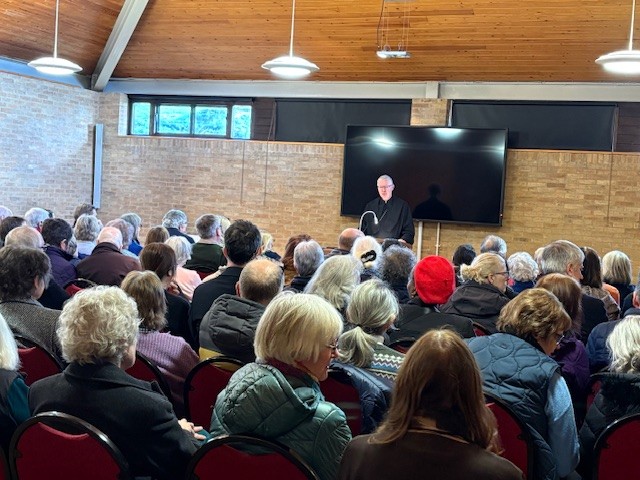
The first Worth Abbey Pilgrims event of the year took place on Saturday, with a very well attended and warmly received Lent talk delivered by Abbot Mark. Many people look forward to hearing Abbot Mark speak and places were in high demand. It was a joy to welcome so many guests for a morning of reflection as we begin our journey through Lent. If you were unable to attend you can watch the live recording here.
A touching collaboration between two Roman Catholic institutions has brought together a monastic community in the United Kingdom and a rural school in Australia to restore a cherished statue of Our Lady and the Child Jesus.
Benedictine monks of St Augustine’s Abbey, Chilworth responded generously when Michael Green, Principal of Mt Carmel School in Yass, New South Wales, sought help to repair his school’s damaged statue. The figure, deeply loved by pupils and staff, had lost its hands and feet after many years of wear.
Mr Green discovered online the story of a similar statue lovingly restored at the Chilworth monastery and, having exhausted options in Australia, reached out to ask whether the monks’ restored statue could serve as a model for recreating the missing parts.
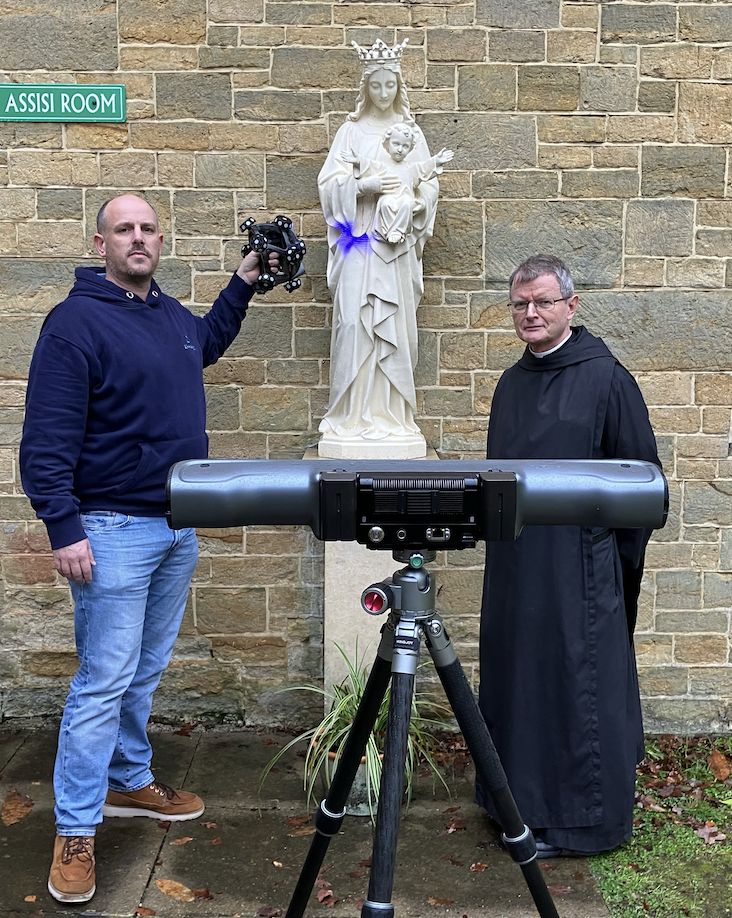
Moved by the school’s dedication and the devotional significance of the statue, the monks agreed at once. With the support of specialist 3D scanning company Surfacescan of Ramsgate, UK, a detailed digital scan of the Chilworth statue was produced. This high resolution model will allow precise replicas of the missing hands and feet to be crafted in Australia, ensuring the restoration remains faithful to the original design and tradition.
Alongside the technical assistance, the monks offered their prayers and blessing for the project, remembering Mt Carmel School in their liturgy and asking God’s guidance for all involved.
For the school community in Yass, the restoration has become more than a practical repair. It stands as a living sign of the Church’s unity across continents, linking a small Australian school with a contemplative Benedictine community in Britain.
Once completed, the restored statue will continue to inspire prayer and devotion – now enriched by a story of faith, generosity and international cooperation. A brief video explaining what’s happening can be seen here:
Since the 5th century parishes have marked Rogation Sunday (10th May this year) by walking their boundaries, praying for the land, and gathering the community in celebration.
The British Pilgrimage Trust is offering grants to help local parishes bring this beautiful tradition to life.
£250 grants to help fund hospitality and festivities for a community to lead an outdoor procession with land blessings, and a shared lunch.
Rogation invites a community to step outside to pray for, and bless, fields and footpaths, crops and gardens, wildlife and neighbours, and to welcome the wider community into a shared celebration of place.
Applications close Sunday, 22 March.
To apply, complete the short online form outlining how your parish will celebrate. And if you’d like to support this initiative with a donation, please reply to this email, as ideally we want to fund every community who applies.
Let’s renew this ancient custom for the modern age.
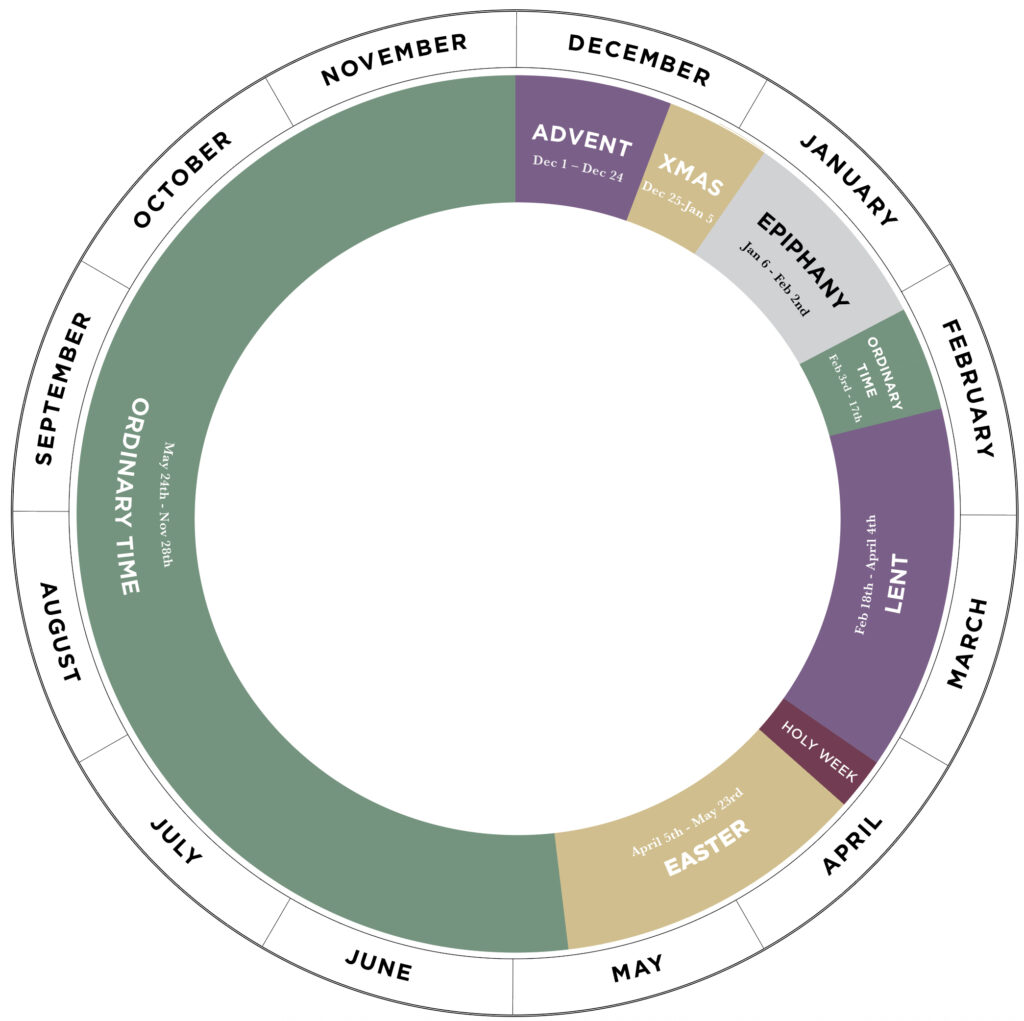
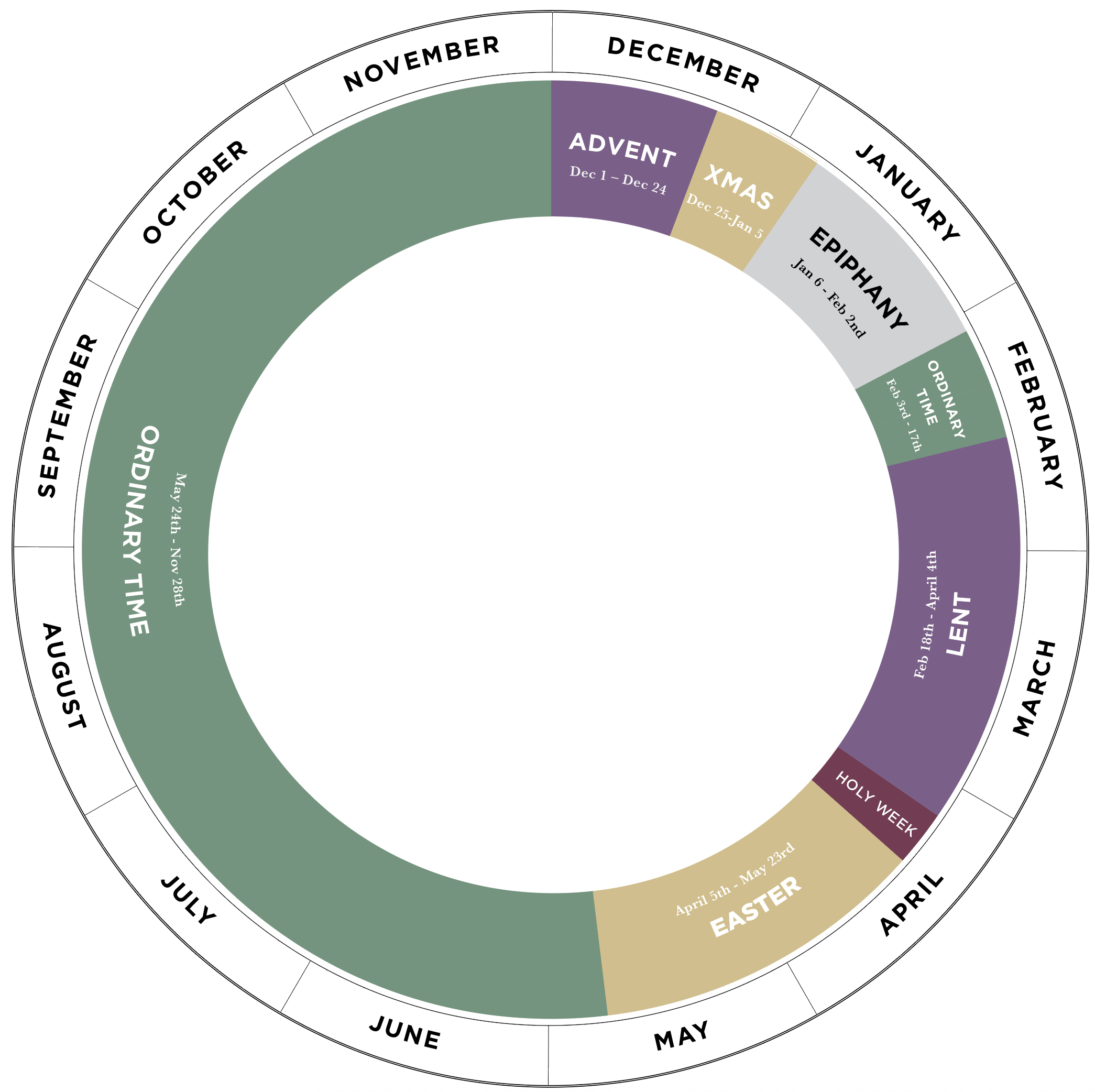
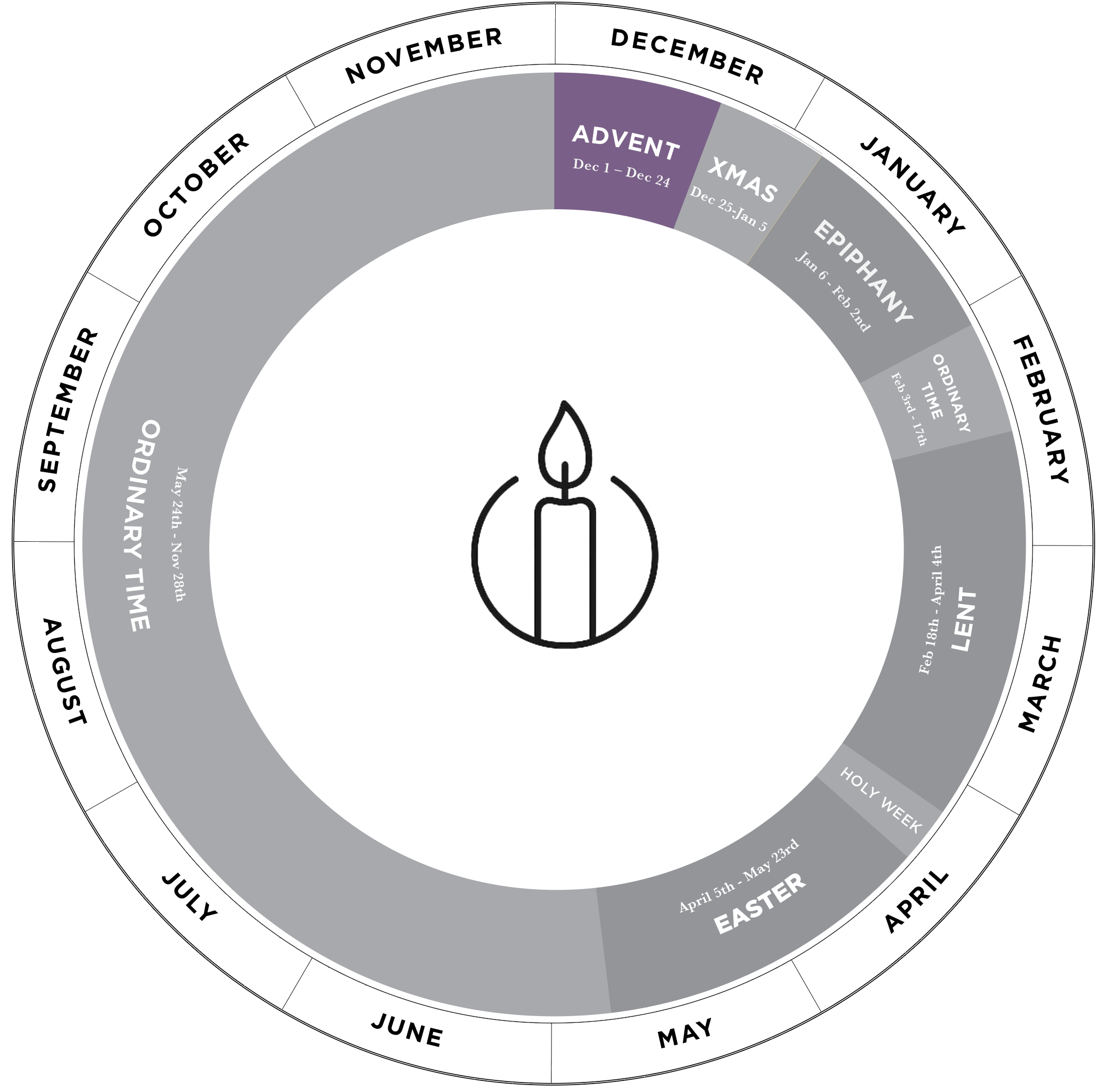
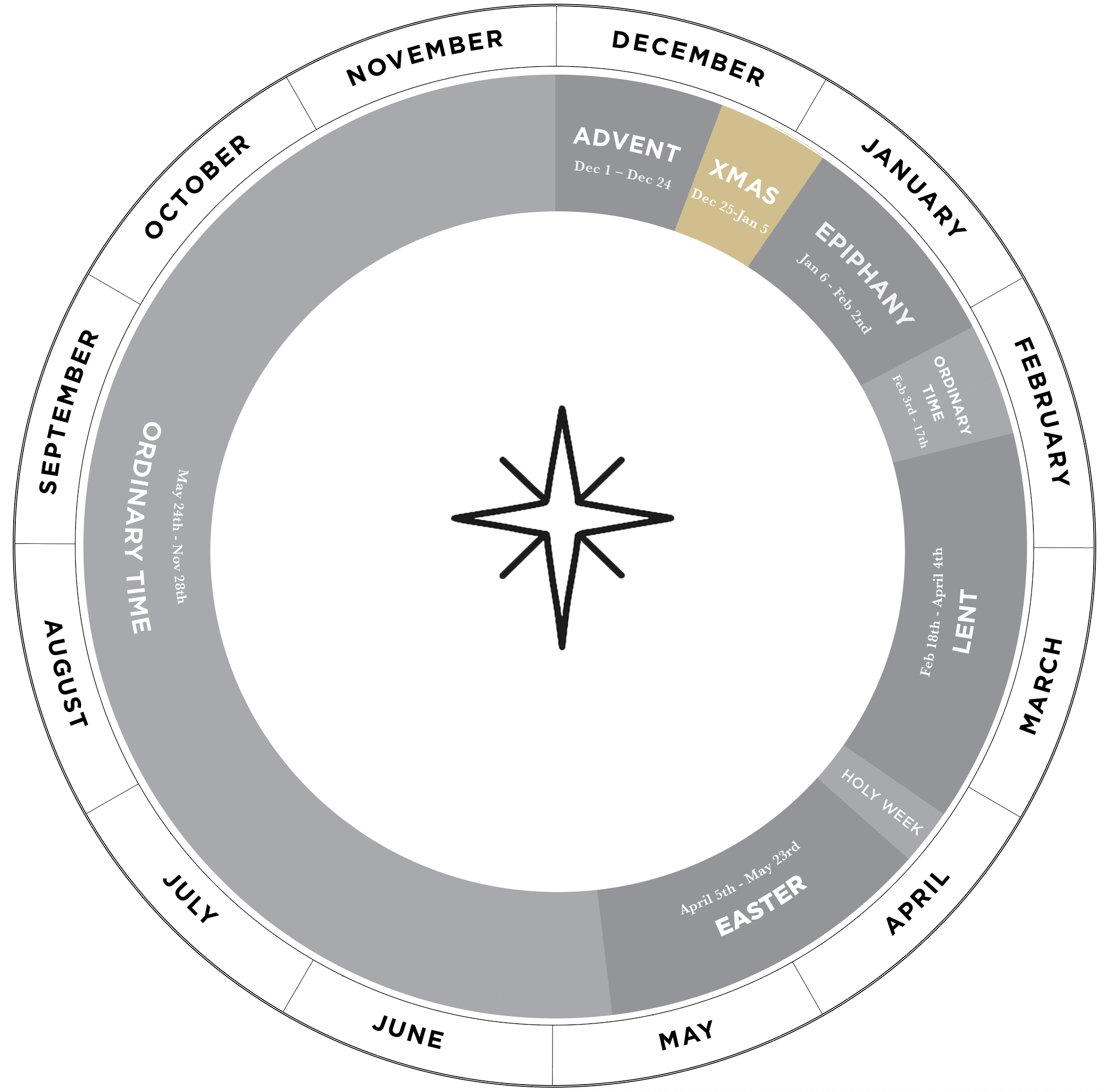
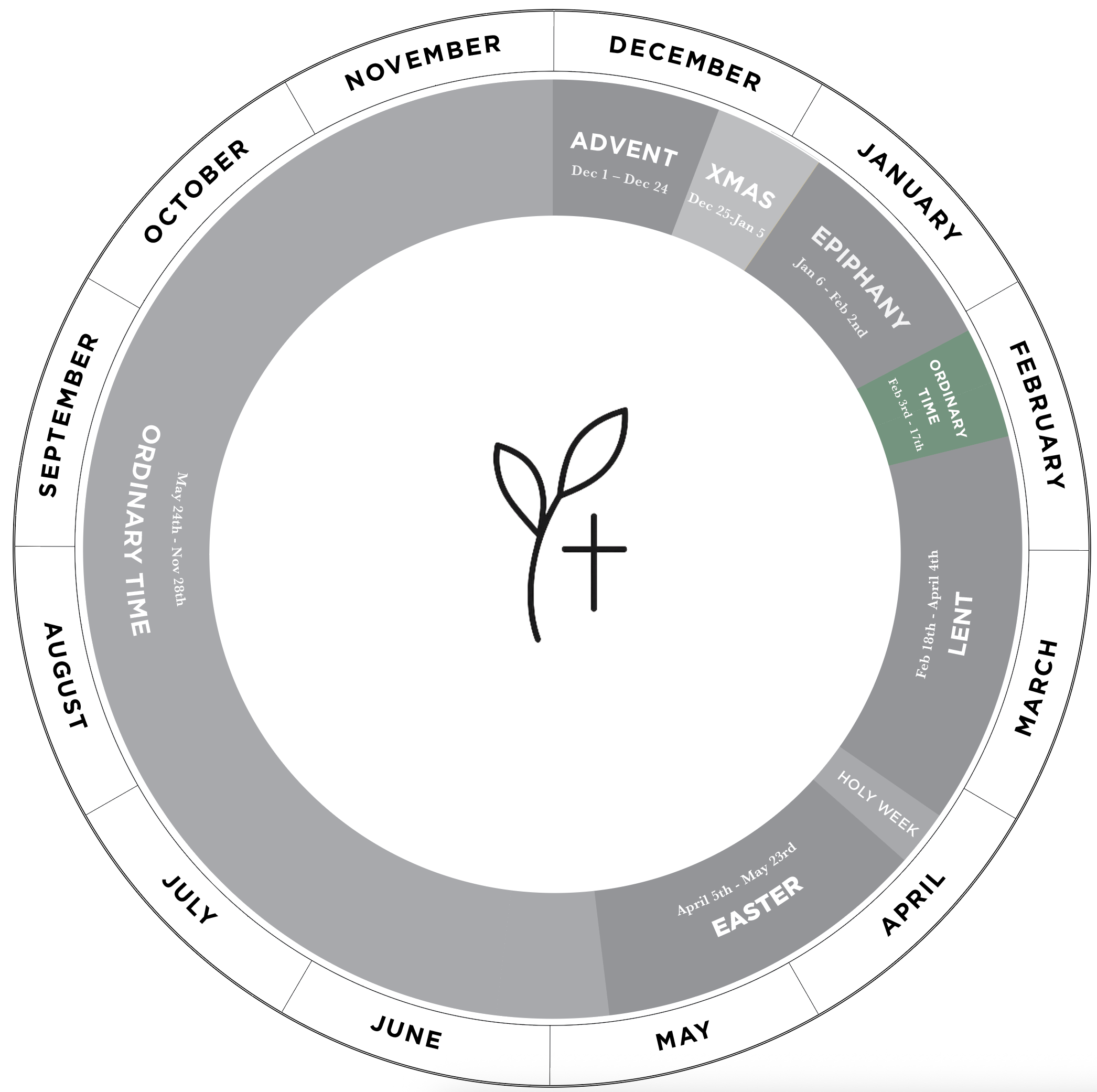
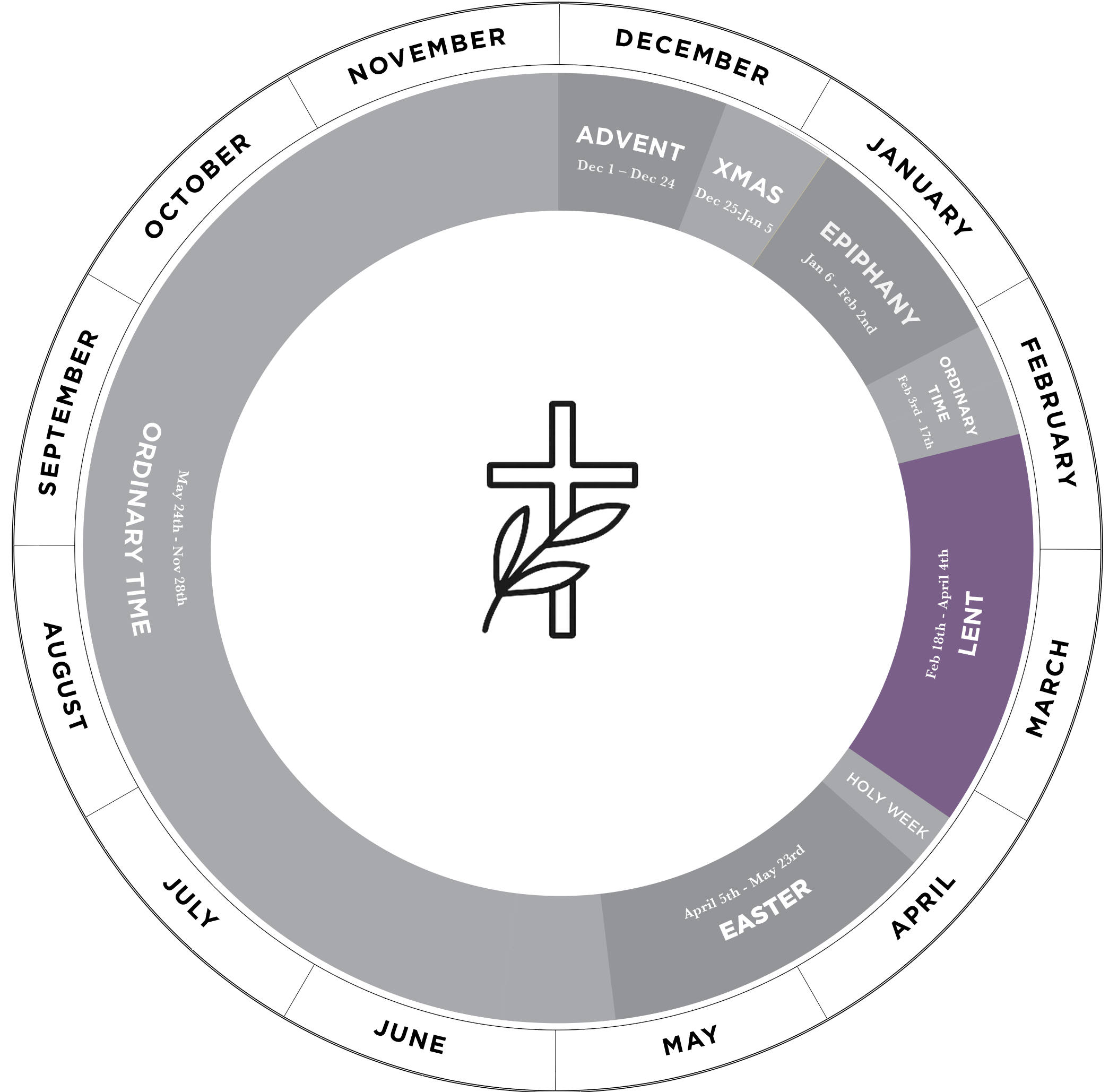
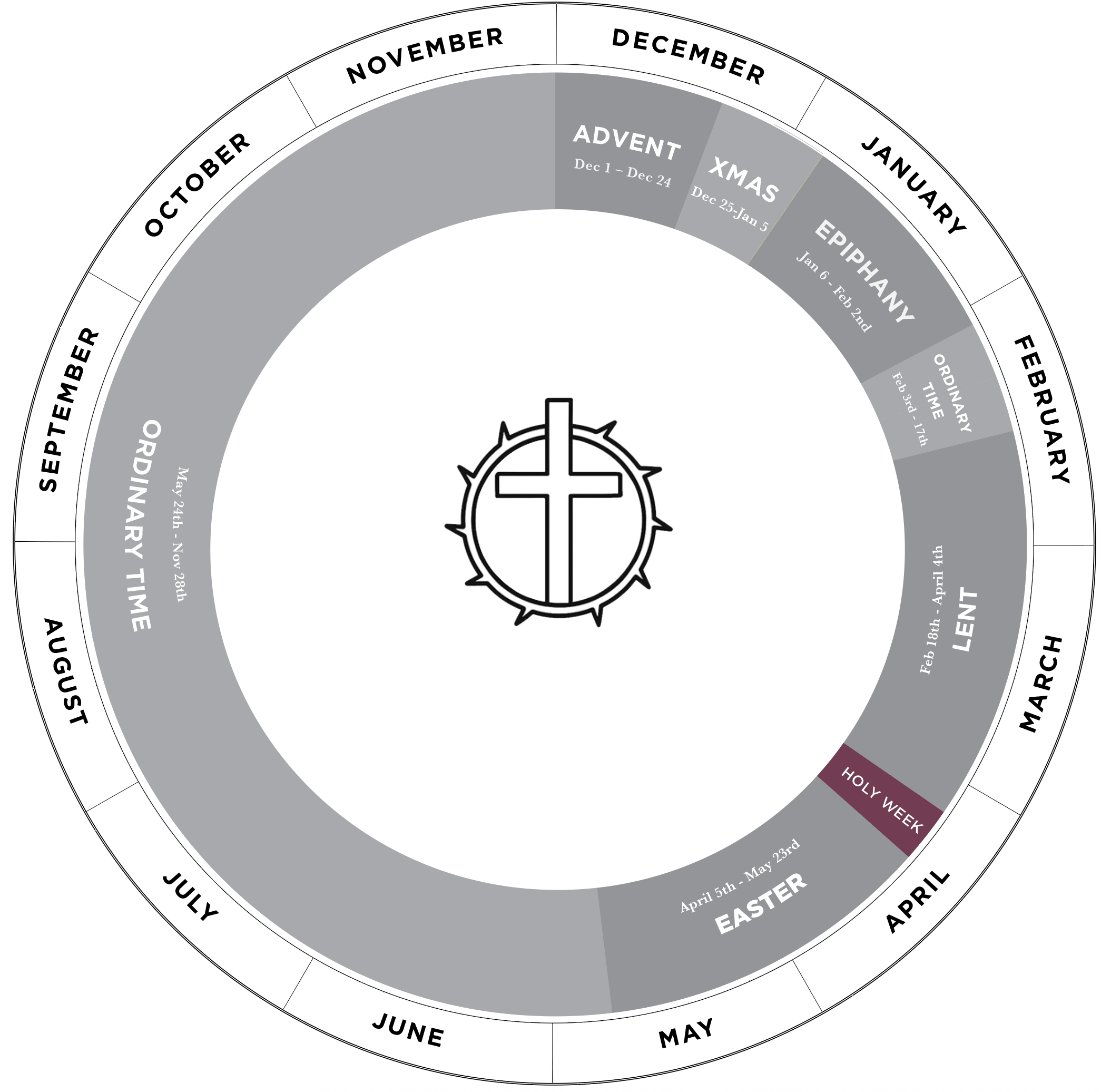
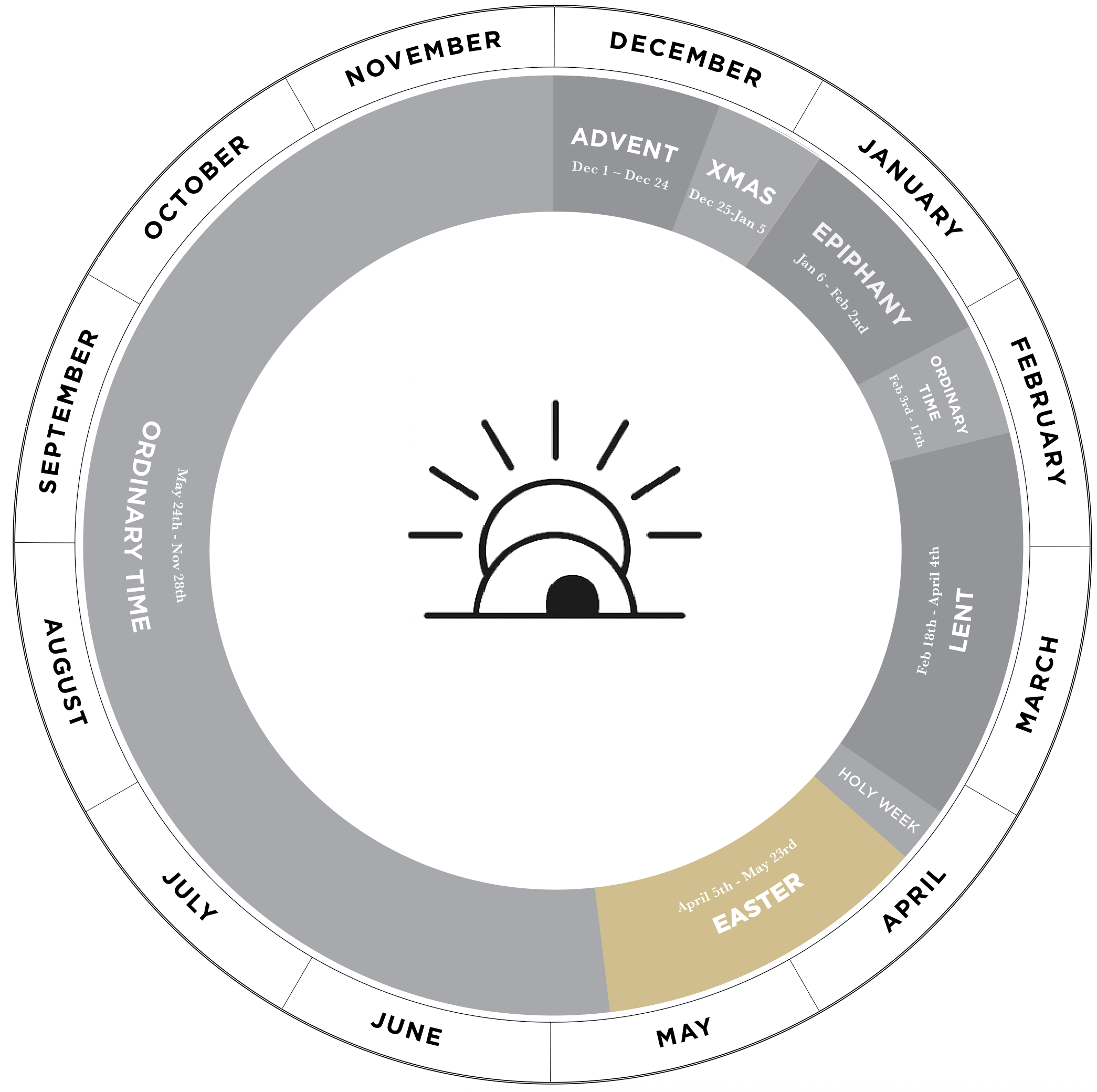
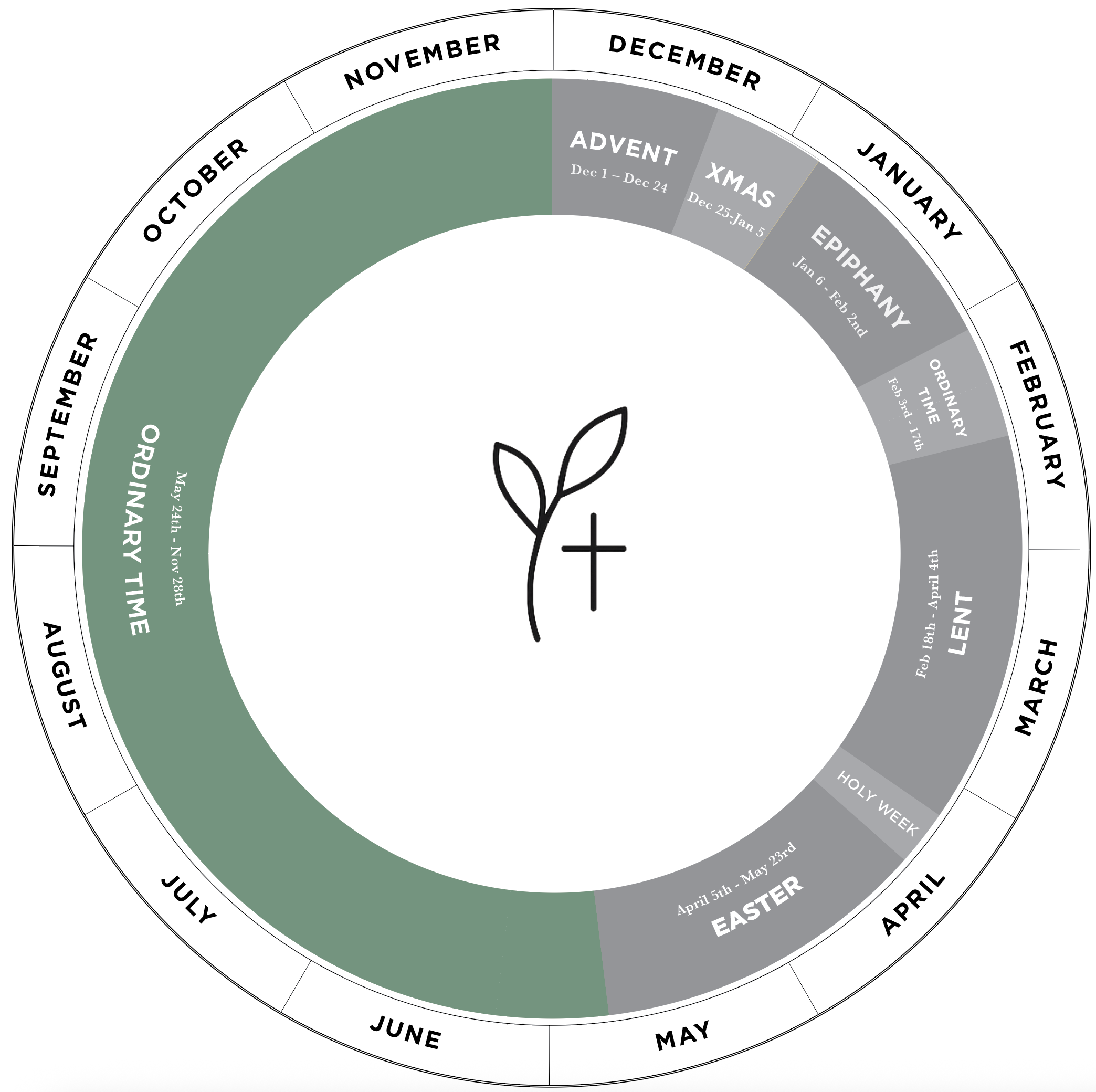
Last week I received an email asking to use the liturgical wheel I designed for our ‘Ora et Labora’ liturgical journal.
It was a delight and pleasure to be able to share it. I thought others may also find this resource helpful, so I attach below the liturgical wheel and seasonal variations in case they may be of use to you or your ministry/parish.
If you do use them for anything I would love to know, do feel free to drop me an email, please however do not use them for commercial purposes.
Many people discover that a regular practice of meditation brings a deep sense of peace — but also that it can be hard to sustain alone.
Meditating with others provides the learning, support and connection that helps a regular practice take root.
The School of Contemplative Life host free online sessions every Saturday from 08:30–09:30 (UK time) and Wednesday from 20:00–20:45 (UK time). Each gathering includes a short teaching, 20 minutes of silent meditation, and space for shared reflection. They’re free, open to all, and you’re very welcome to join. Just come as you are.
Here you can find an overview of any feast or Saints day in March 2024 along with the daily readings from the ‘Revised Common Lectionary’.
Tuesday 19th March – Saint Joseph Sunday 24th March – Palm Sunday Thursday 28th March – Maundy Thursday Friday 29th March – Good Friday Saturday 30th March – Holy Saturday Sunday 31st March – Easter Sunday
A note on the Revised Common Lectionary The daily readings expand the range of biblical reading in worship and personal devotion by providing daily citations for the full three-year cycle of the Revised Common Lectionary. These readings complement the Sunday and festival readings: Thursday through Saturday readings help prepare the reader for the Sunday ahead; Monday through Wednesday readings help the reader reflect on and digest what they heard in worship.
Here you can find an overview of any feast or Saints day in February 2024 along with the daily readings from the ‘Revised Common Lectionary’.
Friday 2nd February – Presentation of the Lord Wednesday 14th February – Ash Wednesday Saturday 24th February – Saint Matthias
A note on the Revised Common Lectionary The daily readings expand the range of biblical reading in worship and personal devotion by providing daily citations for the full three-year cycle of the Revised Common Lectionary. These readings complement the Sunday and festival readings: Thursday through Saturday readings help prepare the reader for the Sunday ahead; Monday through Wednesday readings help the reader reflect on and digest what they heard in worship.
Lectio Divina, Latin for divine reading, is an ancient practice designed to immerse us in Scripture. Lectio Divina involves reading a text from Scripture multiple times and allowing the Holy Spirit to open our hearts to God’s message.
Here you can find an overview of any feast or Saints day in January 2024 along with the daily readings from the ‘Revised Common Lectionary’.
Monday 1st January – Hoy Name of Jesus Saturday 6th January – Epiphany of the Lord Thursday 18th January– Confession of Saint Peter Thursday 25th January – Conversion of Saint Paul
A note on the Revised Common Lectionary The daily readings expand the range of biblical reading in worship and personal devotion by providing daily citations for the full three-year cycle of the Revised Common Lectionary. These readings complement the Sunday and festival readings: Thursday through Saturday readings help prepare the reader for the Sunday ahead; Monday through Wednesday readings help the reader reflect on and digest what they heard in worship.